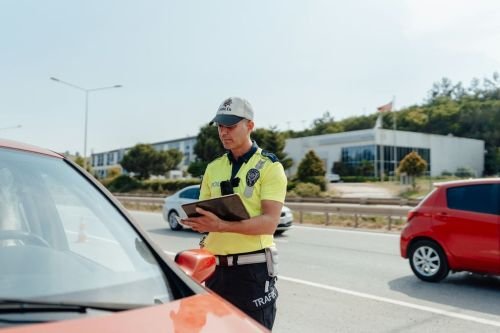
A photograph taken at a Phoenix street festival may show dozens of people who never agreed to appear in the picture. That does not automatically make the photograph unlawful. But move the camera into a private changing area, use someone’s image in a misleading advertisement, or repeatedly photograph a person as part of threatening behavior, and the legal analysis changes dramatically.
Arizona law draws important distinctions between taking a photograph, invading someone’s privacy, and using an image afterward. These activities can carry different legal consequences, even when they involve the same person.
Taking pictures of someone without permission is generally legal in Phoenix when the person is in a public place and has no reasonable expectation of privacy. However, Arizona prohibits certain secret photographs, and unauthorized image use can sometimes lead to criminal charges or civil liability.
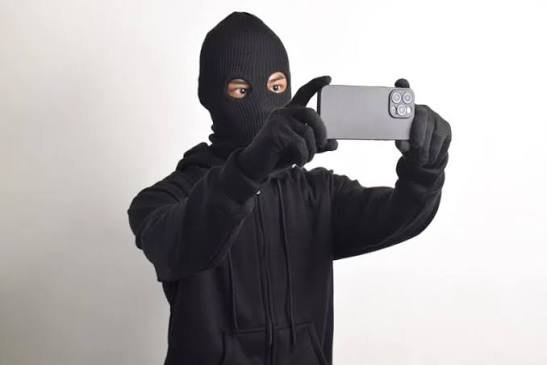
A Photograph Does Not Automatically Require Consent
Arizona has no general law requiring photographers to obtain permission from every recognizable person appearing in an ordinary public photograph.
This allows many everyday activities, including travel photography, journalism, and documentation of public events.
Common examples include:
- Photographing crowds at a downtown Phoenix festival.
- Taking pictures of people walking along public sidewalks.
- Capturing spectators at an outdoor community event.
- Photographing public buildings with pedestrians in the background.
- Documenting visible activity in a public park.
The photographer’s lawful location matters. Someone standing on a public sidewalk generally has different access rights from someone entering a restricted building or private residence.
Consent also becomes more important when photographs are taken in circumstances involving protected privacy interests.
Arizona Protects Privacy in Specific Circumstances
Arizona Revised Statutes Section 13-3019 addresses surreptitious photography, recording, and viewing.
The law prohibits knowingly photographing someone without consent under certain circumstances involving privacy.
One provision covers specified activities in places where people reasonably expect privacy, including bathrooms, locker rooms, bedrooms, and comparable locations.
Another addresses images capturing intimate areas that are not otherwise visible to the public.
The law is concerned with the circumstances of the image, not simply whether the camera is concealed.
A photographer cannot assume that being inside a privately owned building automatically authorizes every photograph taken there.
Likewise, owning a property does not eliminate the privacy protections of people using it.
The statute contains limited exceptions for certain security, law enforcement, correctional, and child-monitoring activities.
Public Visibility Is Not the Same as Unlimited Permission
Phoenix’s parks, sidewalks, shopping districts, and entertainment areas provide countless opportunities for photography.
Nevertheless, public photography can raise separate legal concerns when the photographer’s conduct becomes threatening, intrusive, or unlawful.
For example, photographing someone once at a public gathering differs from repeatedly following that person while engaging in intimidating behavior.
Depending on the facts, Arizona’s harassment or stalking laws may become relevant.
The photograph itself might be lawful, while the broader pattern of conduct is not.
This distinction is especially important because criminal harassment laws generally examine the nature and circumstances of the behavior rather than treating every unwanted photograph as a crime.
Private Businesses Can Set Photography Rules
A shopping mall, restaurant, fitness center, or privately operated entertainment venue may establish photography restrictions.
Those restrictions do not necessarily transform every unauthorized photograph into a criminal offense.
However, a property owner or authorized representative may require visitors to follow lawful access conditions.
Someone who refuses to leave after receiving a lawful request may face trespassing consequences.
Photographers should therefore distinguish between two questions: whether Arizona law prohibits a particular photograph and whether the property owner permits photography on the premises.
A photograph may be legally unobjectionable from a privacy standpoint while still violating a venue’s access policy.
Publishing the Picture Creates a Different Legal Question
Taking a photograph and distributing it are separate activities.
Arizona law does not generally prohibit posting every ordinary public photograph simply because someone pictured objects.
However, publication may create legal problems in particular circumstances.
For example, Section 13-3019 separately prohibits certain disclosures of photographs made in violation of its privacy protections.
Arizona also recognizes civil claims involving invasion of privacy, including certain forms of public disclosure of private facts and false-light publicity.
Whether a publication is actionable depends on the information disclosed, the context, and the legal elements of the particular claim.
A photograph taken lawfully does not automatically become unlawful merely because it is shared online. Conversely, lawful possession of an image does not guarantee that every subsequent use is permissible.
Commercial Advertising Deserves Special Attention
Businesses using photographs of identifiable people should consider Arizona’s right-of-publicity principles.
Arizona recognizes legal protections against certain unauthorized commercial uses of a person’s name or likeness.
For example, a Phoenix company using someone’s photograph in an advertisement may create the impression that the individual endorses its product.
That situation differs from an ordinary street photograph or a news image documenting a public event.
The potential legal concern is not necessarily how the photograph was taken. It may instead involve the commercial exploitation of the person’s identity.
Businesses commonly obtain appropriate model releases before using identifiable individuals in advertising.
Criminal Penalties Are Reserved for Particular Violations
Ordinary public photography does not carry a criminal penalty simply because someone refuses consent.
However, violating Arizona’s secret photography statute can have serious consequences.
Under A.R.S. Section 13-3019, prohibited photography using a device is generally classified as a Class 5 felony.
The statute also establishes enhanced penalties for certain unlawful distributions involving recognizable individuals.
Other offenses, including trespassing or harassment, may carry separate consequences when their legal requirements are satisfied.
Civil lawsuits may also arise from qualifying invasions of privacy or unauthorized commercial exploitation.
There is no universal Phoenix fine for photographing someone without permission.
Frequently Asked Questions
Q1. Can someone legally take my picture on a Phoenix sidewalk?
A: Generally, yes. People ordinarily have limited expectations of privacy while engaging in visible activities on public sidewalks. However, threatening conduct, harassment, or other unlawful behavior may create separate legal issues.
Q2. Is it illegal to photograph someone inside a restaurant in Phoenix?
A: Not automatically. A restaurant may impose photography restrictions, and privacy laws can apply in particular circumstances. Whether taking a photograph is unlawful depends on the location, conduct, and content of the image.
Q3. Can I demand that someone delete a picture of me?
A: You may request deletion, but Arizona law does not generally require someone to delete an ordinary, lawfully taken public photograph merely because you object. Images obtained through unlawful conduct may involve different legal remedies.
Q4. Is posting someone’s photograph online without permission illegal?
A: Not necessarily. Posting a lawfully taken public photograph is generally permissible, but certain privacy violations, misleading publications, or unauthorized commercial uses may create legal liability.
Q5. Can I sue someone for taking my picture without consent in Arizona?
A: Potentially, if the circumstances support a recognized legal claim, such as invasion of privacy or unauthorized commercial exploitation of your likeness. Lack of consent alone does not automatically establish a valid lawsuit.