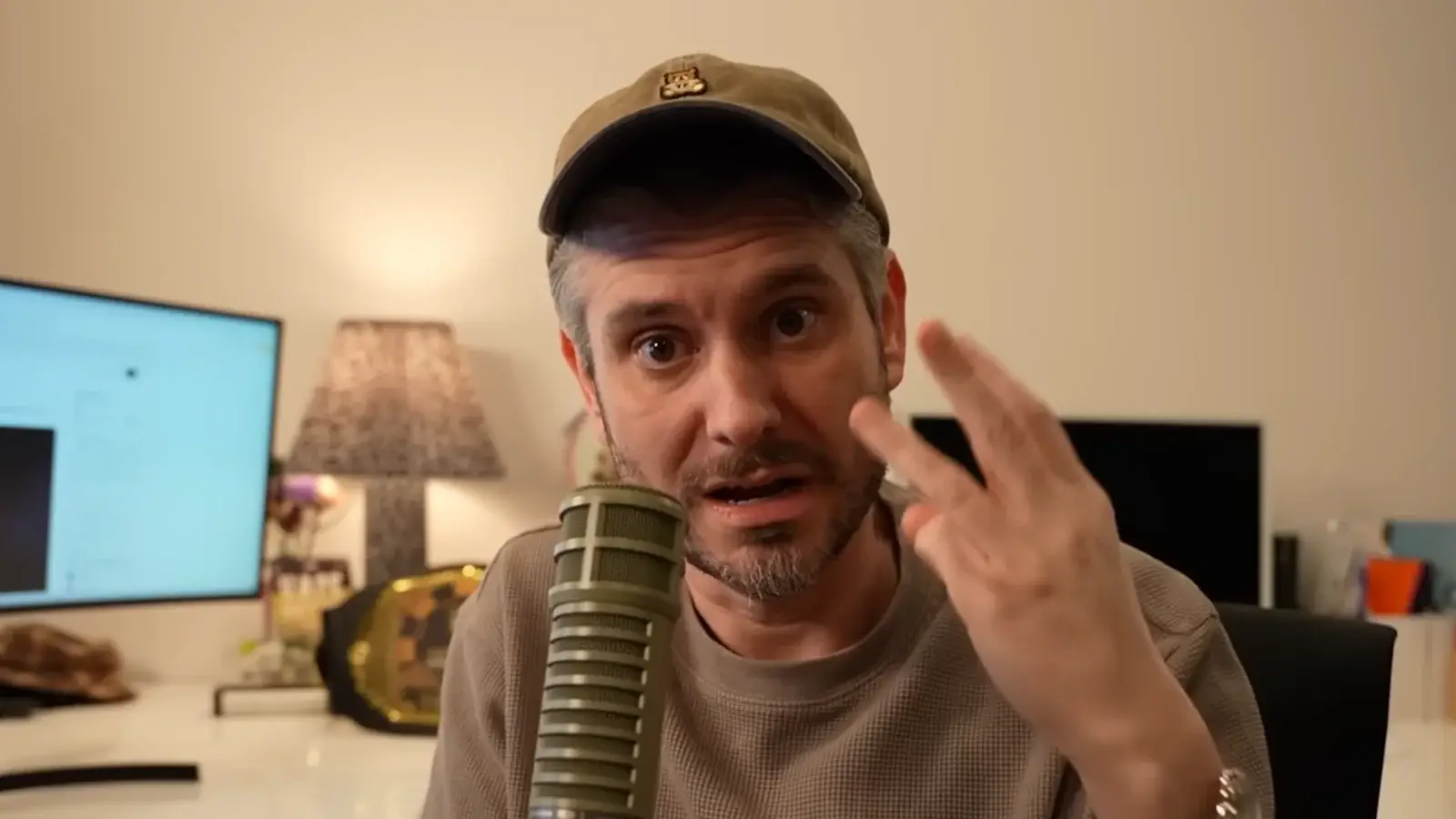
YouTube creator Ethan Klein became an important figure in online copyright debates after winning a landmark fair-use ruling over a reaction video in 2017. Nearly a decade later, copyright litigation involving Klein’s company raised a more complicated question: when a commentator watches and criticizes someone else’s video on a livestream, where does permissible criticism end and infringement begin? A 2026 federal court ruling against Ted Entertainment, Inc., a company owned by Klein, brought that question into sharp focus. The apparent reversal is not proof that the courts changed the law. It shows that the fair-use doctrine applies to specific uses, works and evidence rather than to creators as permanent winners or losers.
The disputes have attracted attention because online reaction videos frequently reproduce part or all of someone else’s material. Copyright law gives authors control over protected expression, but Section 107 of the Copyright Act recognizes fair use for purposes including criticism and commentary. The analysis weighs purpose and character, the nature of the original work, the amount used and the effect on the market. It does not automatically approve every reaction stream or prohibit one merely because a copyrighted video appeared on screen.
The 2017 Matt Hoss Case
In Hosseinzadeh v. Klein, a filmmaker known as Matt Hoss sued Ethan and Hila Klein in the Southern District of New York over a video in which they criticized clips from Hoss’s comedic sketch. On August 23, 2017, Judge Katherine Forrest granted summary judgment in the Kleins’ favor. The court found that their video served as criticism and commentary rather than a substitute for the original. It also rejected related claims arising from the copyright dispute.
The ruling became a widely discussed example of transformative fair use on YouTube, but it was not a blanket permission to reproduce any other video. It depended on how the Kleins used the clips and what their commentary contributed. Later lawsuits involving different videos and audiences required their own factual analysis.
The 2025-2026 Lawsuit Against Denims
Ted Entertainment filed a copyright lawsuit in the Central District of California against Twitch streamer Alexandra Marwa Saber, known online as Denims. The dispute involved her reaction to a Klein video titled Content Nuke: Hasan Piker. Ted Entertainment alleged unlawful copying; the defense argued that the reaction stream was transformative criticism protected by fair use.
On June 29, 2026, U.S. District Judge Wesley L. Hsu ruled that Denims’ use of the Content Nuke video qualified as fair use as a matter of law. The court examined her commentary and critique rather than assuming that streaming a lengthy original work was automatically permissible. A separate portion of Ted Entertainment’s claim related to another program, The H3 Show #104 – Countdown to Doomsday, was dismissed without prejudice by stipulation in July.
The court entered judgment for Denims on the Content Nuke claim on July 13, 2026. That order allowed the prevailing defendant to seek eligible costs and attorney fees through the applicable procedures; it did not itself establish a publicly verified final fee award. Ted Entertainment took the matter to the Ninth Circuit, where it was docketed as No. 26-5059 on August 6, 2026.
What Happened on Appeal?
The appellate court raised a threshold issue about whether it had jurisdiction following the dismissal without prejudice of a remaining part of the case. In September, Denims moved to dismiss the appeal, Ted Entertainment opposed that motion and the parties submitted further briefing. As of the public docket information reviewed, a definitive appellate resolution had not been verified. It would therefore be wrong to describe the district-court fair-use ruling as already reversed—or the appeal as conclusively lost.
Other disputes involving Klein and online creators have been reported, but different lawsuits should not be collapsed into the Denims case. Parties, copyrighted works, procedural stages and judgments matter. The fact that a creator was sued or filed suit is not, standing alone, evidence of infringement or bad faith.
Why the Fair-Use Reasoning Matters
The Denims ruling illustrates why courts closely examine the purpose of the later video. A stream adding sustained commentary, criticism and analysis can have a different character from an upload that merely substitutes for watching the original. At the same time, using an entire work may weigh against fair use depending on context, and the commercial nature of a stream remains relevant. No single factor automatically controls every case.
For creators, the larger lesson is that copyright disputes turn on what was actually shown, why it was shown and whether viewers received new expression rather than a replacement copy. For litigants, district-court wins can still face appellate scrutiny over jurisdiction or the merits.
Status in November 2026
The 2017 case remains a documented fair-use victory for Ethan and Hila Klein. The 2026 Denims litigation produced a district-court fair-use judgment against Ted Entertainment on the principal video at issue, followed by a Ninth Circuit appeal whose final outcome was not verified as of November 18. Those are distinct legal events, and both must be presented accurately to explain Klein’s evolving role in the law of online commentary.