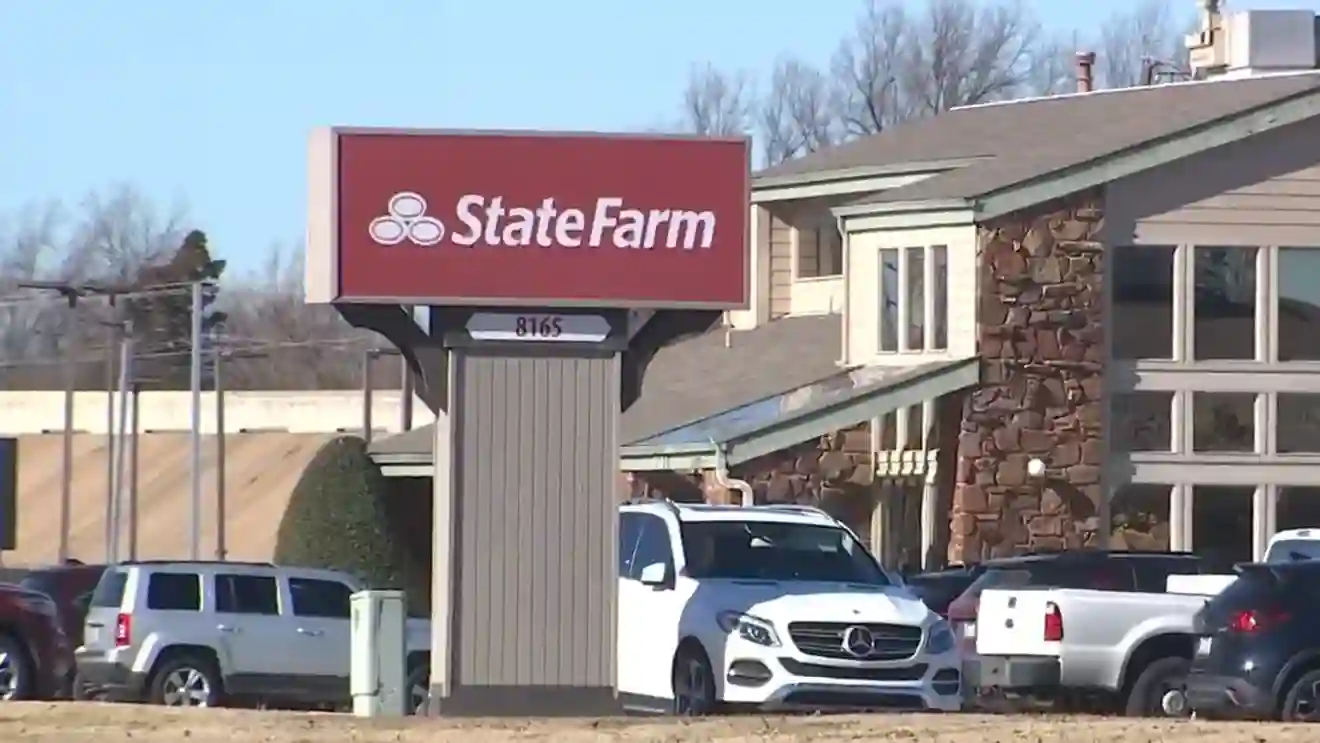
A dispute over damaged roofs in Oklahoma has developed into a statewide lawsuit questioning how one of the country’s largest home insurers evaluates storm claims. On June 24, 2026, Attorney General Gentner Drummond sued State Farm Fire and Casualty Company in Cleveland County District Court. The complaint alleges that the insurer promoted homeowners policies offering replacement-cost protection, then used internal claims rules to deny or reduce payments for legitimate hail and wind damage. State Farm disputes wrongdoing and says it pays claims according to the policy and the facts.
The importance of the case goes beyond whether a particular house needs a replacement roof. Oklahoma has frequent severe storms, and disputes over cosmetic damage, deterioration and functional damage can determine whether a homeowner receives a full replacement payment or only a smaller amount. The state’s lawsuit argues that these decisions reflected a companywide practice rather than isolated disagreements between adjusters and policyholders. Its allegations have not been established at trial, but the lawsuit has already survived an effort to dismiss it.
Why Oklahoma Filed a Separate Lawsuit
The litigation grew out of an earlier claim brought by homeowners Billy and Lacy Hursh. Their April 2025 lawsuit against State Farm alleged breach of contract, bad faith and other misconduct following a hail loss. Drummond attempted to intervene in that private case with broader consumer-protection claims. A trial court permitted the intervention, but the Oklahoma Supreme Court issued a writ on June 23, 2026, barring the state from joining that particular action.
That decision concerned the procedural route, not whether State Farm had systematically mishandled claims. One day later, the attorney general filed a separate action, State of Oklahoma v. State Farm Fire and Casualty Company, case CJ-2026-1066, in Cleveland County. This sequence matters: the Supreme Court ruling did not absolve the company of the state’s allegations, and the new lawsuit is not merely an appeal of an individual homeowner’s insurance dispute.
The Alleged Hail Focus Initiative
The petition identifies an internal program described as the Hail Focus Initiative. The state contends that the program discouraged roof replacements through narrow, undisclosed standards for recognizing covered damage. In the state’s account, claims that policyholders viewed as storm losses were sometimes attributed instead to wear, aging or cosmetic conditions, and inspections or engineering reviews allegedly reinforced decisions that minimized payouts.
These assertions require proof. A policy can lawfully exclude some damage, and insurers are entitled to investigate causation, preexisting conditions and policy limits. The legal question is whether State Farm applied the actual contract terms honestly or relied on hidden criteria inconsistent with the coverage it sold. Adjuster notes, training material, engineering reports and claim-by-claim comparisons could therefore become central evidence.
Consumer Protection and Racketeering Claims
The attorney general asserts claims under the Oklahoma Consumer Protection Act and the state’s racketeering statute, along with civil conspiracy and unjust enrichment theories. The case alleges more than ordinary breach of contract: it claims a coordinated practice of misleading consumers and retaining money that should have been paid on covered losses. The state seeks relief that could include an injunction, civil penalties, restitution and disgorgement of allegedly improper gains.
Those remedies have different legal requirements. Restitution generally looks toward restoring losses, while disgorgement focuses on benefits allegedly obtained through wrongdoing. Injunctive relief would address future conduct rather than only compensate past claimants. The state must establish the statutory elements and overcome State Farm’s defenses; identifying a disputed claim or a reduced payment alone would not automatically prove deceptive conduct or racketeering.
State Farm’s Response and the Court Proceedings
State Farm has defended its claims practices, saying it evaluates each loss fairly and pays what is owed under the relevant policy. In a June response to reporting, the company said it had paid more than $1 billion to Oklahoma customers for wind and hail damage over the preceding two years. It has also argued that the attorney general’s lawsuit is legally deficient and that insurance regulation affects the scope of the state’s claims.
State Farm moved to dismiss the new action in July. On September 28, 2026, Judge Jeff Virgin denied that motion in a summary order, allowing the lawsuit to move forward. The company filed an answer on October 19. The Oklahoma Insurance Department has separately said it is reviewing released documents and conducting a broader market-conduct examination, while emphasizing that it has not prejudged the parties’ claims.
What Happens Next for Oklahoma Homeowners
As of November 13, 2026, no final merits judgment in the attorney general’s case has been established in the reviewed public record. The denial of a dismissal motion means the case can proceed; it is not a finding that State Farm committed fraud or underpaid every storm claim. Discovery and later motions may narrow the issues, and any eventual judgment or settlement would require separate analysis of the remedies granted.
For homeowners, the lawsuit highlights the difference between having insurance coverage and proving that a particular roof loss falls within it. Photographs, inspection records, policy language, repair estimates and the insurer’s written explanations remain important in individual disputes. The statewide case may eventually clarify claims-handling standards, but it does not itself guarantee payment to any policyholder who disagrees with a hail-damage assessment.