Street vending is a recognized business activity in Phoenix, but the city does not allow vendors to choose any roadside location and begin selling. A seller operating from an ice cream truck, a mobile merchandise vehicle, or another street-based setup must understand where the business is permitted and which license applies.
The distinction is particularly important in Phoenix because the city regulates vending according to the location of the operation. Selling from a public street is legally different from operating in a commercial parking lot or using a downtown sidewalk.
Yes, street vending is legal in Phoenix, Arizona, when the vendor holds the required city license and follows applicable operating restrictions. Phoenix City Code Chapter 31, Article II regulates street vending, including licensing, locations, vehicle requirements, and prohibited activities.
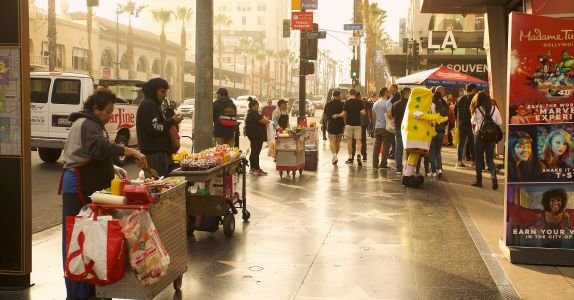
What Phoenix Actually Considers Street Vending
In everyday conversation, street vending can mean almost any outdoor sale. Phoenix uses a narrower legal definition.
Under the city’s regulations, street vending generally involves selling, displaying, or offering products for sale between the curblines of a public street. Where no curbs exist, the definition refers to the designated roadway boundaries.
Phoenix recognizes two street vending categories.
Street Vending—Food covers food products and toys sold within the regulated street area.
Street Vending—Non-Food covers other tangible merchandise or things of value sold in the street.
These categories determine which licensing requirements apply.
A person selling merchandise from a vehicle parked on private commercial property is generally operating under the city’s separate mobile vending framework, not its street vending rules.
That distinction affects both licensing and permitted locations.
The Street Vending License Is the Starting Point
Phoenix does not issue a universal business license that authorizes every form of commercial activity.
Instead, street vendors must obtain the specific license required for their operation.
The City Clerk Department’s License Services division administers street vending applications.
Applicants should expect requirements involving identification, application documentation, and background screening.
The application process generally includes:
- Selecting the appropriate food or nonfood street vending category.
- Completing the city’s street vendor application.
- Providing required personal or business information.
- Completing applicable fingerprinting and identification procedures.
- Paying the required licensing charges.
- Obtaining additional approvals relevant to the products being sold.
Phoenix’s published street vending materials identify an annual license fee of $150, although applicants should confirm the current amount and any additional charges before applying.
The city also advises that approval may take up to 90 days.
A license is not transferable automatically when business ownership changes.
A Licensed Vendor Still Cannot Sell Everywhere
Perhaps the biggest misunderstanding about street vending is that a license grants unrestricted access to Phoenix streets.
It does not.
The city imposes location and operating restrictions intended to protect traffic movement, pedestrians, nearby businesses, and public facilities.
Among the important restrictions are:
- Street vending is prohibited within the Downtown Vending District.
- Vendors face restrictions on operating near school grounds during specified hours.
- Vending is prohibited inside Phoenix public parks without applicable authorization.
- Restrictions apply near certain established park concessions.
- Vendors must comply with applicable parking and traffic regulations.
- Street vending operations are subject to movement and time limitations.
Phoenix’s published rules generally prohibit a street vendor from remaining at one location for more than one hour within an eight-hour period, requiring movement of at least 300 feet.
Consequently, a vendor cannot ordinarily use a street vending license to establish a permanent roadside storefront.
Why Downtown Phoenix Operates Differently
Downtown Phoenix has a separate regulatory system for outdoor vending.
The Downtown Vending District is generally bounded by Seventh Avenue, Seventh Street, Fillmore Street, and Jackson Street.
Ordinary street vending is prohibited within this district.
However, the city maintains a designated sidewalk vending program for approved food and beverage vendors.
Those sidewalk locations are awarded through a competitive annual bidding process and require a signed agreement with Phoenix.
This arrangement differs from ordinary street vending licensing.
A person holding a street vending license cannot automatically operate at a downtown sidewalk vending location.
The city treats these permissions as separate authorizations.
Food Vendors Have an Additional Regulatory Layer
Food vending involves public health requirements beyond municipal business licensing.
Maricopa County Environmental Services regulates qualifying mobile food operations.
Depending on the food products and preparation methods, vendors may need county permits, equipment inspections, and food safety documentation.
For example, selling commercially packaged frozen treats may involve different food safety requirements from preparing meals inside a mobile kitchen.
Food vendors must consider:
- Approved food preparation and storage arrangements.
- Safe refrigeration or hot-holding temperatures where required.
- Appropriate handwashing and sanitation facilities.
- County inspection and permitting requirements.
- Food handler or food protection credentials where applicable.
A Phoenix street vending license does not replace required Maricopa County food permits.
Private Parking Lots Follow Another Set of Rules
A vendor who wants to remain in one place for several hours may find that street vending is not the appropriate business category.
Phoenix regulates vending on private property under Chapter 10, Article XIV.
Mobile vending licenses are generally tied to a specific vendor and approved property.
The city ordinarily permits qualifying mobile vending on properties zoned C-3, A-1, or A-2, with other districts potentially eligible following an appropriate zoning determination.
Certain short-duration operations and specifically permitted events may qualify for exemptions.
Permission from a property owner is important, but it does not independently replace municipal licensing or zoning approval.
Special Events Can Change the Licensing Requirement
Phoenix recognizes limited exemptions for vendors participating in authorized street events.
Vendors approved to participate in an event operating under an appropriate Block Party Permit or city street special event authorization may be exempt from the ordinary street vending license requirement during that event.
The exemption is limited to the authorized activity and event period.
It does not automatically eliminate food safety, tax, or other applicable requirements.
Vendors should confirm the event organizer’s authorization rather than assuming that every festival or community gathering provides an exemption.
Taxes, Secondhand Goods, and Enforcement
Street vendors may need an Arizona transaction privilege tax (TPT) license when conducting taxable retail activities.
Secondhand merchandise also requires special attention. Phoenix generally does not permit secondhand goods to be sold through ordinary street vending authorization; applicable secondhand dealer rules may require a separate licensed business location.
Operating without the required authorization can result in city enforcement action, including citations or other penalties under applicable ordinances.
A vendor may face separate consequences for traffic violations, unauthorized locations, or food safety offenses.
The relevant penalty depends on the specific violation rather than one fixed fine for all street vending activities.
Frequently Asked Questions
Q1. Do you need a license to sell items on the street in Phoenix?
A: Yes. Phoenix generally requires a Street Vending License for selling food or nonfood merchandise within public streets. Limited exemptions apply to certain authorized special events.
Q2. Can I operate a food truck on a Phoenix public street?
A: Potentially, yes. The operation must satisfy Phoenix street vending requirements, location restrictions, and applicable Maricopa County food safety regulations.
Q3. Can street vendors sell anywhere in Downtown Phoenix?
A: No. Ordinary street vending is prohibited within the Downtown Vending District. The city separately authorizes certain food and beverage sidewalk vendors at designated locations through an annual bidding process.
Q4. Can I sell products from a vehicle in a private parking lot?
A: Yes, where permitted, but this generally falls under Phoenix’s mobile vending regulations. The vendor may need a location-specific license and must satisfy applicable zoning requirements.
Q5. Are street vendors allowed to sell during special events without a license?
A: Certain vendors participating in properly authorized block parties or city street events may qualify for a street vending license exemption during the approved event. Other applicable permits and legal requirements remain in effect.