New Mexico has opened a major civil front in the legal reckoning over Jeffrey Epstein’s abuse network, suing two of the late financier’s closest professional advisers and seeking to stop substantial payments from his estate. On October 21, 2026, Attorney General Raúl Torrez filed a federal complaint accusing longtime lawyer Darren K. Indyke and accountant Richard D. Kahn of helping finance, facilitate and conceal the trafficking operation that allegedly reached Epstein’s Zorro Ranch in Santa Fe County. The case is unusual because it focuses not on Epstein himself, who died in 2019, but on whether people managing his affairs can be held responsible for alleged participation in an unlawful enterprise.
The complaint also names Epstein’s estate and the 1953 Trust, seeking to preserve assets and obtain compensation for survivors. Indyke and Kahn strongly deny knowing participation in Epstein’s crimes and reject the state’s account of their conduct. The proceeding is a civil lawsuit alleging violations of federal trafficking and New Mexico racketeering law, not a criminal conviction of the defendants. No court has yet found them liable in this action, and the estate payments the state wants blocked have not been established as improperly received.
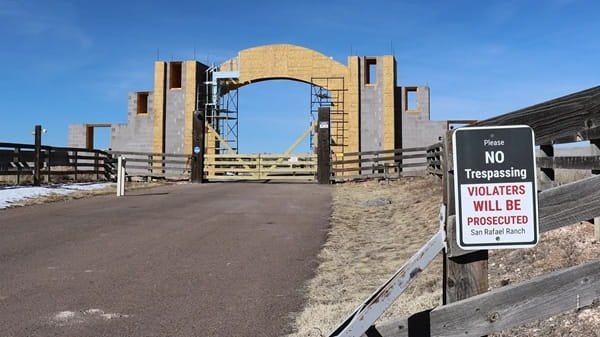
Why Zorro Ranch Is Central to the Complaint
Epstein owned Zorro Ranch near Stanley, New Mexico, for decades. Survivors and investigators have described it as one of the locations linked to allegations of grooming, isolation and sexual abuse. The state’s complaint asserts that the property’s remoteness made it part of the operation and that company structures and financial arrangements helped support activity there. These are allegations within the filed civil case; the current owners purchased the ranch after Epstein’s death and are not being accused merely by owning it now.
New Mexico reopened an investigation earlier in 2026 and has separately pursued access to federal investigative records. That broader investigative background explains why the state is examining the ranch and associated transactions, but the October civil case has its own defendants, claims and requested remedies. It should not be conflated with the state’s separate lawsuit seeking Epstein files from the US Justice Department.
Who Was Sued and What the State Alleges
Indyke worked as Epstein’s personal lawyer, while Kahn handled accounting and financial matters. Both later became co-executors of the estate. New Mexico alleges that their official roles went beyond ordinary professional services and that they managed accounts, companies or transfers used to support and conceal trafficking. The complaint cites payments of more than $16 million to Indyke and more than $10 million to Kahn from Epstein-related sources during 2011–2019.
Those reported amounts are presented by the state as evidence of financial benefits, not as sums that a court has ordered returned. The 1953 Trust and the estate are also named to address assets that could be affected by relief. The complaint asserts claims under the federal Trafficking Victims Protection Act and New Mexico racketeering law. Proving participation or knowledge will require more than demonstrating that the defendants held prominent financial positions.
The Disputed Estate Payments and Requested Relief
The estate was reported to be worth more than $107 million when the case was filed. Under the trust arrangement, Indyke potentially stands to receive a bequest of $50 million and Kahn $25 million, depending on remaining assets, creditor claims and other obligations. Those figures are possible future distributions, not verified cash payments already made. The state seeks to keep the defendants from receiving or authorizing such payments while the action proceeds.
New Mexico also asks for findings of trafficking and racketeering liability, restitution, disgorgement, damages and other restrictions on proceeds and interests related to the alleged conduct. Some remedies may be available only if the state satisfies the applicable statutory elements and proof standards. A filing asking for tens of millions in blocked bequests does not mean a judge has frozen those assets or transferred them to survivors.
What Indyke and Kahn Say in Their Defense
Through attorney Daniel Weiner, both men have categorically denied knowingly facilitating Epstein’s sexual abuse or trafficking. Their lawyer stated that neither had witnessed or participated in the abuse, that no accuser had told them of it, and that the New Mexico attorney general’s office did not seek interviews with them before filing the complaint. Their position is that their professional association with Epstein does not establish awareness of criminal conduct.
This denial is a material part of the case and must appear alongside the state’s allegations. The litigation may ultimately focus on what transactions the advisers approved, what they knew at particular times, and whether the legal elements of participation or assistance can be met. The defendants’ roles as estate fiduciaries also raise separate questions about management of assets for creditors and survivors. None of those disputed matters has been finally resolved in this action.
Case Status and Significance for Survivors
The action was filed in the US District Court for the District of New Mexico as case No. 1:26-cv-03543. The latest verified public development through November 16, 2026, is the filed complaint and the parties’ public positions; no final civil judgment on Indyke and Kahn’s liability has been established. New Mexico’s related criminal investigation remains a separate process, and the October lawsuit should not be reported as criminal charges against the two men.
The proceeding could test whether professionals who allegedly maintained financial structures for an abusive enterprise can face civil accountability and be prevented from benefiting from the estate. For survivors, the case raises the prospect of preserving funds and obtaining further information about activities linked to Zorro Ranch. But the scope of any remedy depends on evidence, defenses and future court decisions. The allegations are serious; the judicial result remains open.


